Installing a standby generator is a six-step project — site visit, sizing, permits, install days, inspection, commissioning — and the order is the product. Done right, you notice almost none of it: a visit, some paperwork you never touch, one to two days of crew time, and then a machine that tests itself weekly until the night it matters. The step-by-step walkthrough covers what each stage feels like from the homeowner’s side; this page covers what the whole thing is, and what separates a real install from an expensive delivery.
What does a complete installation actually include?
Everything on the seven-line-item invoice, physically realized: the unit set on a properly prepared pad, the fuel line run and pressure-tested, the automatic transfer switch — the box that moves your house from grid to generator power — wired into your panel, both permits pulled and inspected, and a commissioning test under real load.
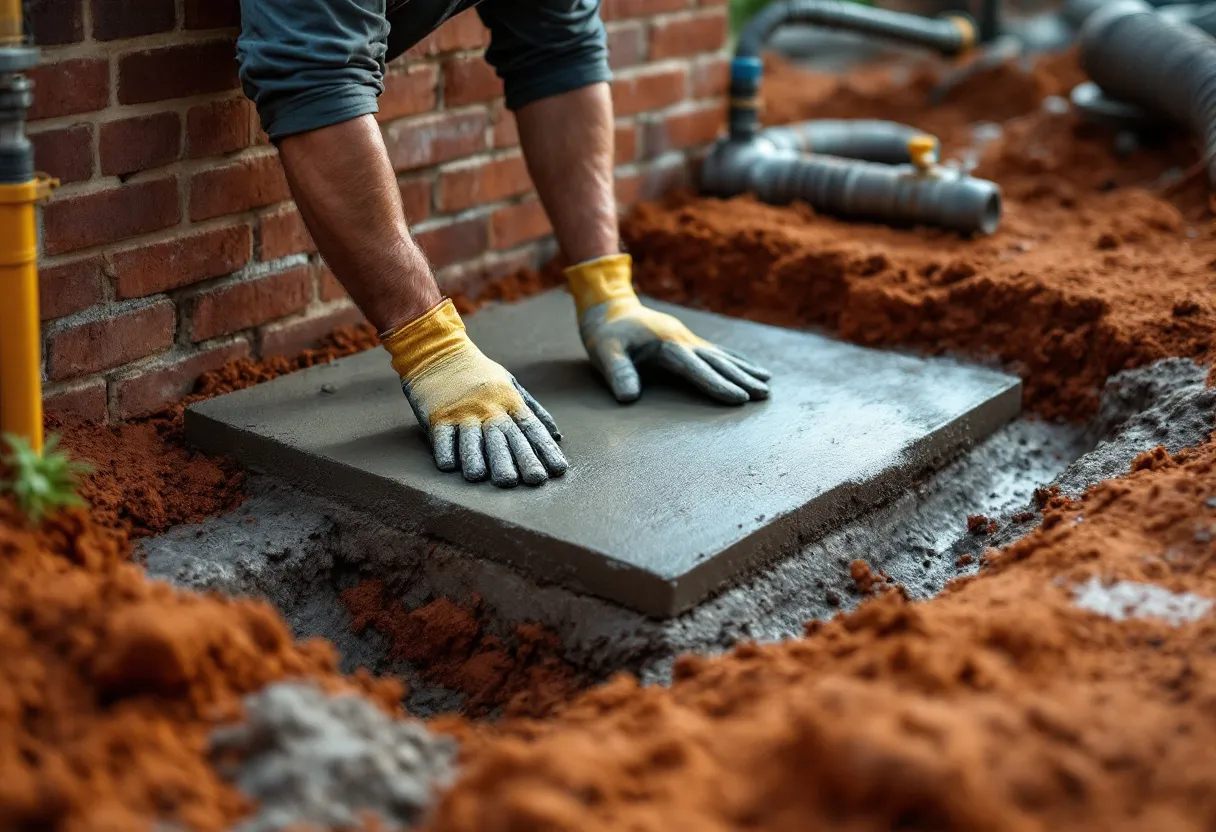
The skippable-looking parts are the ones that bite. An uninspected gas connection is a liability that follows the house. A unit placed wrong gets red-tagged or feuds with your HOA — placement has rules, and they’re not suggestions. A pad poured casually on this valley’s clay moves, and takes the install with it.
What makes North Alabama installs different?
Three local realities. The fuel split — city gas versus county propane — changes the connection work and sometimes the whole design. The soil: red clay that swells through wet springs and shrinks hard in August, which is why site prep here is a discipline and not a formality. And the calendar: this market installs against tornado season, so the sensible timeline starts before spring, not during it.
Jurisdiction matters too. Huntsville, Madison, and the county each process their own permits, and an installer who works here weekly knows which desk wants what.
What should you expect from the crew days?
Day one, typically: pad work if not pre-poured, the unit set, fuel line run, and the panel opened for transfer switch wiring — expect planned power-down windows. Day two: connections finished, the system started, and the loaded transfer test. Then inspection, then commissioning: the unit exercises, the self-test schedule is set, and you get the walkthrough plus the paperwork folder.
After that, the relationship changes to a maintenance rhythm — annual service and a weekly self-test you’ll learn to stop noticing. And if the self-test ever fails, the won’t-start guide sorts what you can check from what you shouldn’t touch.
What’s the first real step?
The site visit. Not a phone estimate, not a brochure tier — a visit that reads your nameplates, walks your panel, checks your fuel supply, and leaves you with a sized, itemized plan. Everything else in this cluster describes what happens after that visit goes well. The form below starts it.